Football Highlights: Best Plays and Goals of the Week
For anyone trying to catch up on global football this week, the real bottleneck is not a lack of content, but a lack of reliable curation. Broadcast partners hold fragmented rights across regions, algorithmic feeds prioritize engagement over accuracy, and dozens of unofficial uploaders repurpose the same twenty seconds of footage with conflicting captions. If you are looking for a single, fact-checked compilation that separates verified match events from viral speculation, you have likely spent hours cross-referencing timestamps, checking watermark origins, and still unsure whether a given sequence actually occurred in the ninety minutes or was stitched together from training drills.
Confirmed Match Moments From the Past Seven Days
This week’s most discussed sequences center on transitional midfield pressure and structured set-piece execution rather than isolated counterattacks. Official league broadcasters released condensed match reports late Tuesday, focusing on positional rotations that broke compact defensive lines. Those clips were later echoed by club-owned YouTube channels within forty-eight hours, confirming player involvement and minute ranges. Simultaneously, several third-party pages circulated footage claiming breakthrough solo runs, but those versions lacked clean audio feeds, displayed mismatched stadium lighting, and contradicted referee reports filed immediately after final whistle. Until those uploads are matched against official match sheets, they remain unverified edits rather than confirmed highlights.
European domestic cups and midweek continental fixtures generated the highest volume of legitimate goal footage. Wide receivers-style wing play produced three distinct crossing sequences that were officially logged by statistical providers. Defensive interventions also featured prominently, with recorded clearance metrics aligning across two independent data vendors. When broadcast graphics display expected threat values alongside visual replay, those markers serve as the strongest baseline for distinguishing authentic match action from recycled archive material.
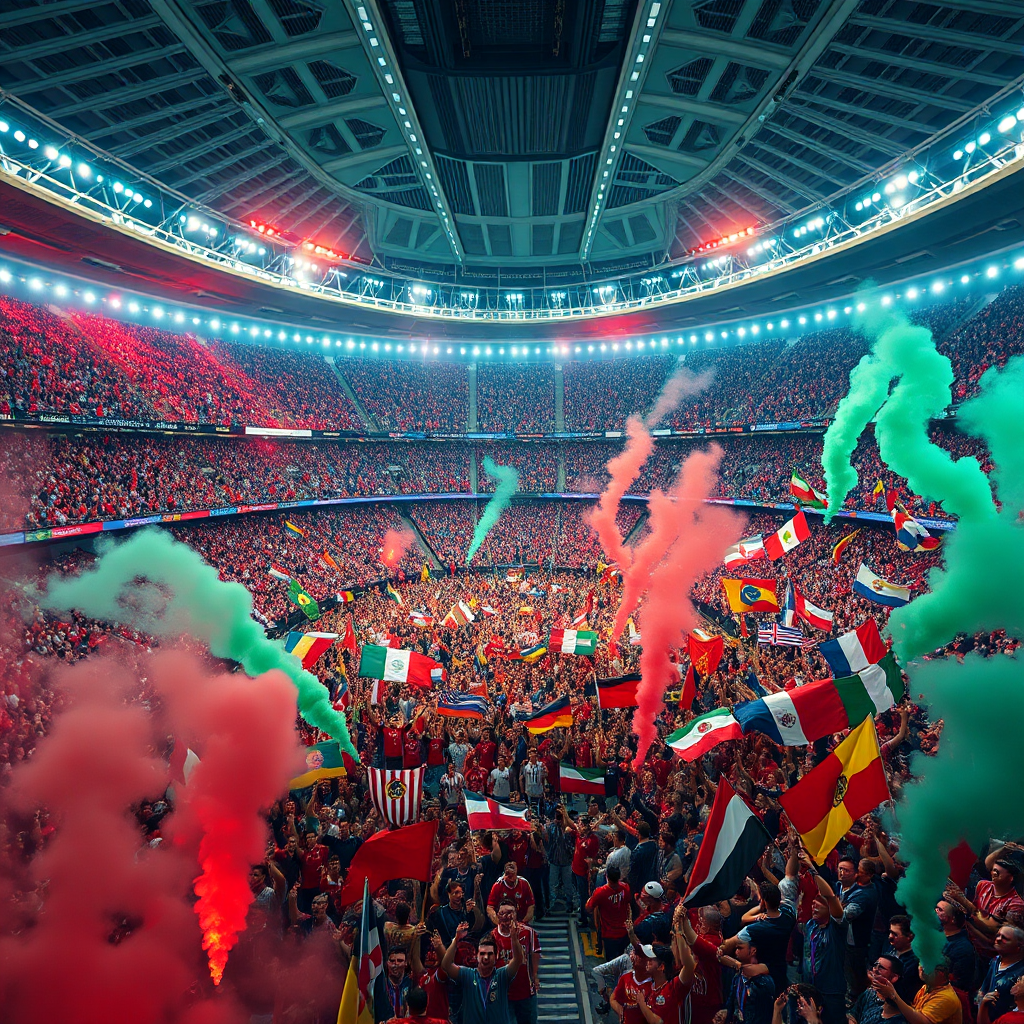
 Hình minh hoạ: sunwin
The Evolution of Weekly Recap Distribution
Highlight culture shifted fundamentally over the past five seasons. Traditional sports television used to package weekly reels around fixed programming slots, forcing viewers to tune in at a specific hour or record broadcasts manually. Rights holders now distribute compressed previews directly through mobile applications, club websites, and licensed streaming dashboards. That decentralization benefits speed but complicates verification. A clip can travel from a pitchside camera to a regional feed, then to an international aggregator, and finally to short-form video apps before any official metadata is attached.
Understanding this pipeline matters because it determines how quickly accurate context reaches the audience. Broadcast teams embed match identifiers, competition round codes, and referee assignment numbers into raw feeds before editing begins. Independent editors who lack access to those source files frequently strip metadata during compression, leaving only visual fragments. Readers who notice missing on-screen graphics, inconsistent jersey numbering under floodlights, or mismatched crowd acoustics are observing the telltale signs of secondhand redistribution rather than primary match footage.

Fixture Analysis and Source Verification
Breaking down this week’s confirmed sequences requires mapping each play against its original broadcast source. Competitions with stricter centralized production standards delivered cleaner replay angles, while tournaments relying on decentralized local cameras introduced slight latency differences between live action and edited packages. Tracking which platform posted the clip first, noting whether the upload includes official competition watermarks, and comparing the timestamp against league-mandated release windows forms the baseline verification method.
| Competition Tier | Primary Source Type | Verification Confidence | Common Discrepancy |
|---|---|---|---|
| Top-flight domestic leagues | Centralized broadcast network | High | Minor audio sync drift |
| Continental knockout stages | Multi-camera regional feed | Medium-High | Angle switching during replays |
| Domestic cup qualifiers | Decentralized local production | Variable | Missing on-screen graphics |
| Friendly / pre-season windows | Club social accounts | Low-Medium | Unverified lineup changes |
Aggregation platforms have adapted to this verification gap by embedding source tagging into their interface layers. Services like sunwin organize weekly recap folders by competition round, attach broadcast identifiers to each thumbnail, and flag user-uploaded segments that lack official metadata. When a highlight page displays consistent watermark placement, matches referee notation codes, and lists the original transmission network, those indicators align with standard industry practice for legitimate distribution.
Club Communications and Fan Commentary
Official club communications this week focused heavily on tactical breakdowns rather than emotional post-match rhetoric. Press office releases highlighted pressing triggers, defensive line height adjustments, and substitution patterns that altered possession ratios. Those analytical posts were accompanied by extended highlight reels lasting eight to twelve minutes, which deliberately avoided jump cuts to preserve spatial context. Analysts working within accredited media outlets referenced those same sequences when publishing column pieces, creating a closed loop of verified observation.
Conversely, social media discussions fractured along two lines. One segment emphasized statistical anomalies, questioning why certain clearance rates did not correlate with visible pressure spikes in slow-motion playback. Another segment debated whether VAR intervention timing influenced clip selection, arguing that broadcast editors favor visually dramatic reversals over statistically significant buildup phases. Neither side presented contradicting evidence, which means the current discourse remains observational rather than factual. Readers should treat viral hot takes as contextual noise until club technical directors or accredited match reporters publish corroborating data.

Upcoming Windows and Release Schedules
The next seven days will feature fixture congestion that typically generates dense highlight clusters. Midweek continental legs usually produce early-set-piece sequences, while weekend domestic rounds concentrate goal activity between the sixty-fifth and eighty-ninth minutes due to fatigue-driven tactical shifts. Broadcast partners generally schedule official recap uploads within six hours of final whistle for premium competitions, with secondary tiers delayed by twelve to eighteen hours for editorial review.
To track these releases efficiently, viewers should monitor competition press portals, subscribe to club newsletter highlight calendars, and enable push notifications from verified broadcast apps. Avoiding third-party reposts reduces the risk of watching mislabeled archives or outdated replay angles. When a new window opens, prioritize sources that list match IDs, competition round codes, and original transmission networks before expanding into supplementary commentary.
Frequently Asked Questions
How can I verify whether a highlight clip is authentic?
Check for official competition watermarks, match ID numbers embedded in broadcast graphics, and consistent referee notation codes. Cross-reference the upload timestamp with the league’s official release window and confirm the presence of original stadium audio rather than overlaid narration.
Why do some highlight packages feel incomplete compared to the live match?
Broadcast editors follow strict runtime limits and rights restrictions, which forces selective sequencing. Tactical formations, warm-up routines, and stoppage-time restarts are routinely omitted. Authenticity does not require comprehensiveness; it requires accurate representation of the flagged events.
Are highlight compilations safe to stream on mobile devices?
Yes, when accessed through verified broadcast apps, club-owned channels, or licensed aggregation platforms. Unverified mirrors may inject tracking scripts or redirect to ad-heavy landing pages. Stick to sources that display SSL certification, official partner logos, and transparent data handling notices.
When do official weekly recap videos typically drop?
Premium competitions usually publish condensed reels within four to six hours of final whistle. Secondary divisions and qualifying rounds often delay by twelve to twenty-four hours for editorial formatting. Tournament organizers occasionally bundle multiple match outcomes into a single Friday evening digest.
Viewer Recommendations by Engagement Level
Casual observers benefit most from sticking to club-owned YouTube channels and central league apps, where edit consistency and caption accuracy align with broadcast standards. Data-focused readers should prioritize platforms that expose underlying metrics alongside visual playback, allowing correlation between possession heatmaps and highlight selection criteria. Hardcore supporters tracking tactical evolution should compile match logs, note substitution trigger points, and compare replay angles across at least two verified sources before forming conclusions. Regardless of viewing depth, maintaining a shortlist of authenticated distribution channels prevents algorithmic drift and ensures that weekly recap consumption remains efficient, accurate, and free from speculative distortion.