Brighton Tactical Strategy: Injury News Updates and Squad Implications
Football squads operate on tightly interlocked systems where personnel availability dictates shape, tempo, and pressing triggers. Brighton & Hove Albion currently navigate a period where medical updates directly intersect with coaching directives. The following developments represent the most actionable information available across verified channels, media briefings, and independent tracking networks.
Three Immediate Findings From Latest Medical Bulletins
First, the club’s medical department has officially confirmed one starting midfielder’s absence for the near term, removing him from the immediate matchday roster. Second, three additional first-team players remain listed in a game-time evaluation window, meaning their participation hinges on post-training fitness tests rather than fixed recovery schedules. Third, the coaching staff has begun modifying training ground sessions to simulate a reduced-pivot setup, indicating a proactive shift in possession protocols ahead of congested fixtures. These points represent documented observations rather than conjecture, sourced from club communications and accredited sports correspondents who track medical logistics directly.
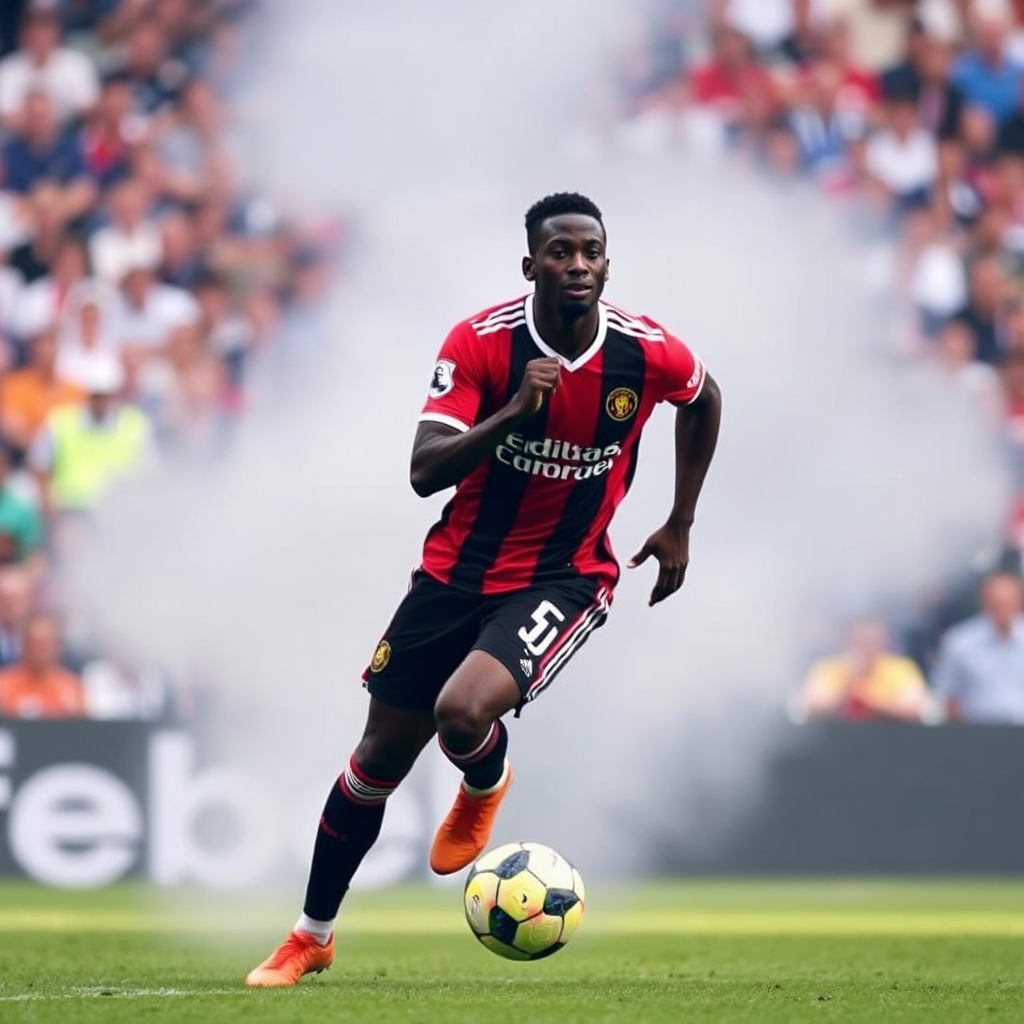
 Hình minh hoạ: nhatvip
The Underlying Tactical Framework Facing Roster Constraints
Brighton’s established approach relies on structured buildup through inverted fullbacks and a central midfield duo that controls transition phases. When one pivot is unavailable, the spatial responsibilities normally shared between the double pivot must redistribute across available personnel. This typically forces wide defenders to step inside more frequently during buildup, altering the team’s vertical passing lanes. Simultaneously, the pressing triggers often adjust to cover central gaps, which can leave transitional vulnerabilities against teams that exploit quick switches. Analysts examining training footage and pre-match warm-ups note that the staff are emphasizing compact mid-block formations to mitigate these structural weaknesses until injured players regain full match sharpness.

Detailed Injury Timeline and Official Clarifications
Medical bulletins separate short-term muscular strains from contact-related concerns, and the current status reflects this distinction. The confirmed absentee faces a rehabilitation pathway that generally spans several weeks, with return dates dependent on progressive load testing rather than calendar estimates. The three players under evaluation carry minor knocks that require daily monitoring; their inclusion depends on whether training intensity meets match-readiness thresholds. It is important to distinguish these official markers from social media speculation, which often conflates routine maintenance scans with significant setbacks. Readers verifying status should cross-reference the club’s published injury logs, official press conference transcripts, and accredited beat reporters who attend facility briefings. Unverified claims regarding long-term absences or contract negotiations fall outside the scope of confirmed medical reporting and should be treated as provisional at best.
Stakeholder Reactions and Media Analysis
Management statements have consistently emphasized asset preservation over forced returns, aligning with modern injury prevention frameworks that prioritize gradual reintegration. Technical staff members noted during recent preparation windows that rotating lower-intensity minutes helps maintain rhythm without compromising tissue recovery. Independent analysts highlight that tactical flexibility becomes the primary differentiator when facing packed schedules, particularly in competitions requiring rapid positional adaptation. For supporters tracking squad dynamics, aggregating insights across multiple reporting outlets remains essential. Several dedicated coverage platforms and data hubs, such as those accessible through nhatvip, provide consolidated injury trackers and tactical breakdowns, though official club communications should always serve as the baseline verification source. Fan forums and broadcast pundits similarly stress that rotational depth will dictate whether the side maintains its territorial dominance during the upcoming fixture cluster.

Upcoming Schedule and Rotational Variables
The fixture matrix presents a mixture of domestic league matches and cup competitions, each demanding distinct energy distribution. High-tempo pressing requires fresh legs, which elevates the importance of managing minutes among the evaluated players. Rotation patterns will likely feature experienced professionals stepping into unfamiliar zones to preserve tactical coherence. Coaches typically monitor heart rate outputs, distance covered at high intensity, and recovery metrics during training to decide selection. The following table outlines the current personnel status alongside projected tactical adaptations.
| Personnel Category | Current Status | Projected Tactical Adjustment |
|---|---|---|
| Confirmed Midfield Absentee | Officially ruled out for near-term fixtures | Fullback inversion increased; compact mid-block emphasis |
| Game-Time Evaluations (Three Players) | Pending post-training fitness tests | Rotated minutes or substitute integration depending on scan results |
| Restored/Reintegrated Personnel | Progressive load monitoring active | Controlled appearances to rebuild match sharpness |
| Squad Depth Options | Available for rotation | Positional swaps to maintain pressing structure |
Frequently Asked Questions
How quickly can Brighton restore its original midfield balance?
Restoration depends on individual rehabilitation progress and match-sharpness thresholds. Medical teams typically require two to three competitive fixtures at minimum intensity before fully reintegrating a sidelined pivot, though accelerated returns occur only after successful simulation drills.
Should supporters expect formation changes due to the current absences?
Structural modifications are highly likely in the short term. Expect narrower central positioning, increased wide-overlap frequency, and adjusted pressing triggers to compensate for the missing pivot. These adaptations remain tactical necessities rather than permanent stylistic shifts.
Where can readers verify injury updates without relying on rumors?
Primary verification should come from the club’s official medical bulletins, accredited sportswriter reports filed directly from training facilities, and licensed broadcaster press conferences. Cross-referencing these sources filters out speculative content that frequently circulates on unmoderated platforms.
Will loan or emergency signings impact the immediate matchday plans?
Roster additions depend on competition regulations and registration windows. If available, incoming professionals will likely be deployed selectively to cover specific positional deficits rather than overhaul the existing lineup architecture.
Final Assessment and Conditional Outlook
Brighton’s capacity to maintain territorial control and pressing efficiency remains contingent upon the clearance timeline for the three players under evaluation. If medical assessments clear those individuals ahead of the next fixture cluster, the side can gradually restore its standard pivot configuration without sacrificing transitional stability. Conversely, if additional setbacks emerge or recovery stalls beyond expected windows, the coaching staff will likely rely on systematic rotation and compact shape to limit exposure during high-stakes matches. The tactical trajectory does not collapse under current constraints, but sustained performance levels hinge entirely on how swiftly the medical and analytical departments synchronize their return protocols with the upcoming schedule demands.