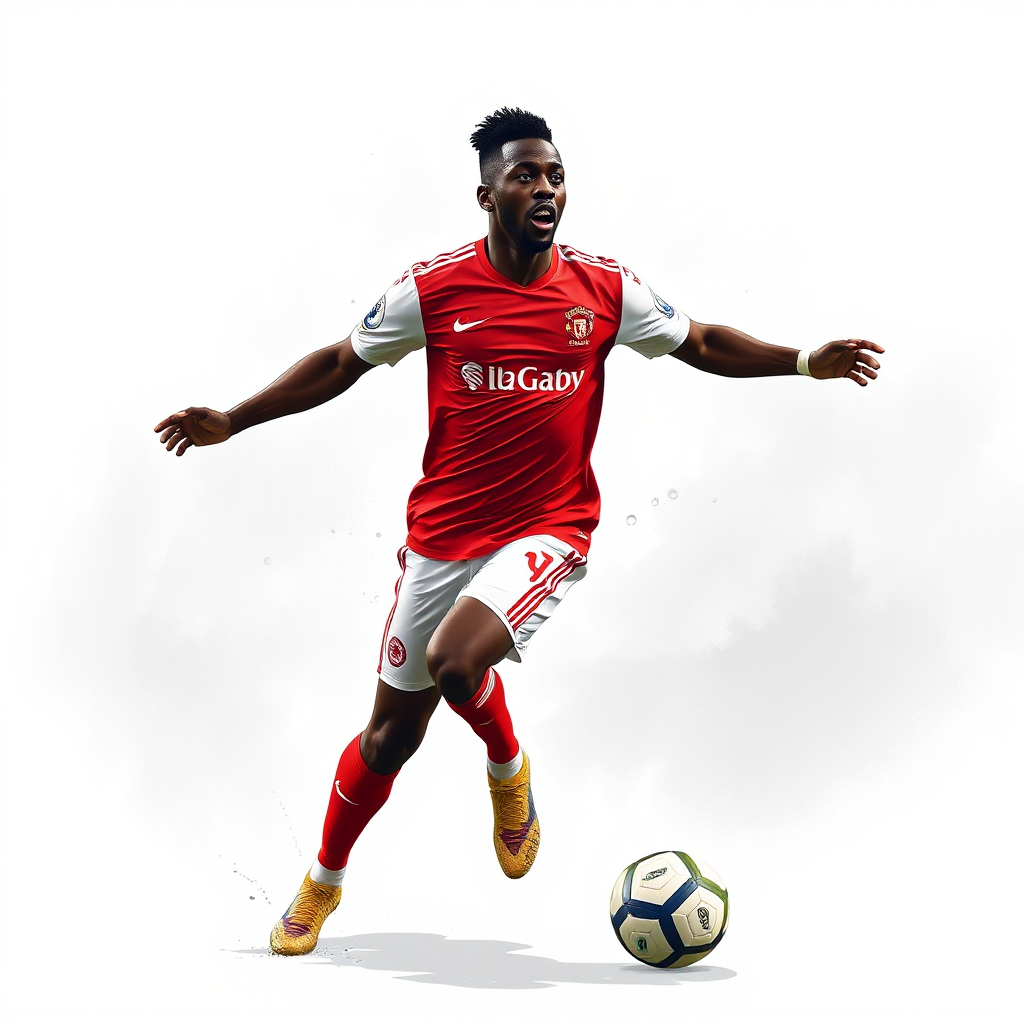
tt881.top: Match Preview Tottenham vs Man City – Injury Crisis Hits Squad Hard
Three critical developments define the landscape ahead of the upcoming fixture between Tottenham Hotspur and Manchester City. First, the home side is navigating a severe shortage across central defense and midfield, forcing the coaching staff to accelerate youth integration and restructure their defensive shape. Second, Manchester City’s tactical approach will almost certainly pivot toward controlled possession and wide overloads, aiming to stretch a compromised backline while managing their own fatigue from a congested schedule. Third, final squad availability remains fluid, with multiple senior players undergoing late fitness assessments; the confirmed starting eleven will likely be announced just hours before kickoff.
Latest Developments and Squad Status
The pressing reality for Tottenham is the compounding nature of recent physical setbacks. Training ground reports indicate that several key performers have missed consecutive sessions due to muscle strains and knock sustained during high-intensity drills. The medical team has adopted a cautious protocol, refusing to fast-track returns when movement patterns show even minor hesitation. This conservative stance has left the manager with limited options for a traditional two-center-back pairing or a balanced double-pivot in midfield. As a result, experimental combinations are being rehearsed at pace, with an emphasis on positional discipline rather than expansive buildup play.
Manchester City, meanwhile, enters the matchup with a deeper roster but faces its own scheduling pressures. Rotation has been mandatory over the past month, and several starters are carrying visible load management markers. Pep Guardiola’s staff typically monitors heart rate variability and recovery metrics closely, meaning that even fit players may see restricted minutes if the physical profile suggests risk. The contrast in squad resilience creates a clear dynamic: Tottenham must protect their territory and limit transitional exposure, while City seeks to dictate tempo and exploit spatial gaps created by disrupted defensive coordination.
Media briefings from both camps have remained tightly controlled, with managers emphasizing collective responsibility and process over individual headlines. Club communications channels continue to push updated warm-up protocols and travel logistics, underscoring the operational side of modern matchday preparation. Fans and analysts alike are tracking these behind-the-scenes adjustments, knowing that marginal gains in recovery, hydration, and tactical rehearsal often determine outcomes when star power is diminished.
 Hình minh hoạ: https://tt881.top/
How the Injuries Unfolded
The current absence pattern did not emerge overnight. Over the preceding six-week window, fixture congestion combined with intense physical demands accelerated soft-tissue complaints. High-speed running thresholds were frequently tested during away trips, leaving residual fatigue that compounded into minor pulls and joint irritations. The medical department responded by adjusting training loads, introducing swimming sessions and resistance band work to maintain strength without overstressing healing tissue.
As the calendar approached this weekend, several players returned to light contact but were kept out of full-contact scrimmages. Coaches noted that decision-making speed and sharpness often lag behind physical readiness, making return decisions highly individualized. The situation intensified when a secondary knock occurred during a routine conditioning drill, pushing another candidate into extended recovery. By midweek, the available pool had shrunk to a point where the bench could no longer mirror the starting unit’s preferred roles, necessitating structural changes rather than simple substitutions.
Historical context shows that top-tier clubs routinely navigate these windows, but the timing coincides with a high-profile clash that magnifies every tactical adjustment. Past encounters between these sides have featured rapid tempo shifts and transitional goals, making defensive stability paramount. The injury timeline has effectively stripped away luxury options, forcing the coaching staff to prioritize compactness, communication, and set-piece organization over creative freedom in the final third.

Verifying Reports and Official Channels
In an era of rapid information dissemination, distinguishing confirmed updates from speculation requires careful cross-referencing. Official club websites and verified social media accounts remain the primary sources for lineup confirmations and medical clearance status. These platforms publish structured announcements that align with league regulations, providing exact timelines for player availability and training participation levels.
Reputable sports journalists who attend daily press conferences and locker room walkouts offer additional context, particularly regarding manager sentiment and tactical hints. Their reporting typically distinguishes between confirmed absences and conditional fitness tests, using precise language to reflect uncertainty where it exists. Independent injury trackers operated by recognized analytics firms also compile attendance logs and recovery percentages, offering transparent data that can be compared against club statements.
Readers should treat early rumors with caution, especially those circulating through unofficial forums or unverified messaging boards. The most reliable approach involves waiting for the designated pre-match press conference, reviewing the official team sheet released thirty minutes before kickoff, and consulting licensed broadcasters for real-time substitution patterns. For comprehensive coverage and scheduled updates leading up to the fixture, you can find more details at https://tt881.top/. Relying on layered verification minimizes exposure to misinformation and ensures that analysis rests on documented facts rather than hypothetical scenarios.

Tactical Shifts and Match Outlook
The most probable structural adjustment for Tottenham involves dropping into a mid-block with narrow defensive lines, compressing space between the lines to neutralize City’s intricate passing networks. Fullbacks will likely remain deeper, avoiding aggressive overlaps that could leave vulnerable channels against quick transitions. Central midfielders will focus on screening the penalty area, intercepting diagonal switches, and triggering short counters toward the wings rather than attempting long-range distribution.
Manchester City is expected to respond with patient build-up, utilizing inverted fullbacks and roaming center-midfielders to disrupt defensive markings. Width will be generated by wingers cutting inside or by fullbacks providing overlapping runs, creating numerical superiority in advanced zones. If the opposition defense struggles to track staggered movements, City can exploit half-spaces with quick combination play, targeting pockets of space between the defensive and midfield tiers.
Set pieces will carry heightened importance given the altered personnel mix. Both squads will emphasize rehearsed routines, with taller targets assigned to specific zones and decoy runs designed to create confusion. Corner delivery quality, near-post flick-ons, and second-ball accumulation could become decisive factors if open-play breakthroughs remain elusive. Analysts watching from the stands note that disciplined marking and early engagement on crosses will likely dictate whether the match stays tight or opens into a transitional contest.
Beyond the pitch, the atmosphere will shape momentum swings. Crowd energy tends to amplify pressure on defending teams, while experienced visitors thrive on measured pacing and selective intensity spikes. Managing emotional volatility will separate composure from reactive mistakes, particularly during the opening twenty minutes when tactical adjustments are still being executed. For broader insights into match-day operations and related sporting coverage, enthusiasts often explore resources like casino TT88 for supplementary entertainment options, though the core focus remains firmly on the athletic competition unfolding at the stadium.

Pre-Match Action Checklist
- Monitor official club channels for the designated press conference time and post-conference injury clarifications.
- Verify starting eleven releases approximately sixty minutes before kickoff, noting any last-minute substitutions or position swaps.
- Track weather conditions and pitch surface reports, as wet turf can influence passing accuracy and sprint efficiency.
- Review managerial presser transcripts for tactical hints, paying attention to repeated keywords about compactness, pressing triggers, or defensive shape.
- Prepare contingency plans for live viewing, including backup broadcast links and mobile data readiness in case of network congestion.
- Document early tactical patterns during the first fifteen minutes, focusing on defensive line height, midfield spacing, and wing play frequency.
- Adjust expectations based on confirmed absences, recognizing that reduced options often lead to pragmatic gameplay rather than expansive attacking displays.
Frequently Asked Questions
When will the final starting lineups be officially announced?
League regulations require managers to submit confirmed elevations sixty minutes prior to kickoff. Clubs typically publish digital team sheets and broadcast graphics shortly after submission, with late fitness test results determining any last-minute changes.
How do soft-tissue injuries affect tactical flexibility?
Muscle strains and joint irritations reduce explosive acceleration and change-of-direction capability, which limits a team’s ability to execute high-press systems or rapid width exchanges. Coaches often compensate by narrowing defensive profiles and relying on structured positioning over physical dominance.
Should fans expect a different playing style due to the shortages?
Absentee patterns rarely overhaul a club’s foundational philosophy, but they force pragmatic adaptations. Expect increased reliance on defensive solidity, quicker vertical transitions, and set-piece utilization, while expansive buildup sequences become less frequent.
How can spectators reliably track real-time substitution trends?
Licensed broadcasters provide minute-by-minute substitution feeds, while official club apps often push instant notifications for tactical changes. Cross-referencing these sources against match commentary helps distinguish routine rotations from emergency adjustments driven by momentum shifts.
What role does crowd noise play in high-pressure fixtures?
Auditory intensity influences referee decision-making thresholds and player communication clarity. Defending teams often benefit from vocal support that sustains concentration during prolonged phases of pressure, while visiting sides must utilize organized calling and visual cues to maintain defensive alignment.