Transfer Watch: European Heavyweights Monitor Midfielders
European clubs with top-flight ambitions are actively expanding their central midfield scouting lists, with several elite organizations moving beyond preliminary identification into structured negotiations and conditional offer preparation. At this stage, no formal agreements have been signed, and all reported interest remains subject to performance verification, wage structure alignment, and contract expiry windows. The current phase is defined by targeted assessments rather than completed transactions, as sporting directors prioritize tactical fit and long-term squad sustainability over immediate headline value.
Latest Developments in the Midfield Market
The transfer landscape has shifted toward a more measured approach, particularly regarding central midfield roles. Clubs across the Premier League, La Liga, Serie A, and the Bundesliga are reviewing recent seasonal outputs, focusing on players who demonstrate positional versatility, progressive passing accuracy, and defensive recovery metrics. Several high-profile midfielders approaching contract renewals have become focal points, prompting clubs to initiate early dialogue with player representatives. These discussions remain strictly exploratory, designed to gauge availability and financial expectations before committing to binding proposals.
Scouting departments have intensified their match attendance at domestic cup competitions and international friendlies, using lower-stakes fixtures to evaluate decision-making under varying game states. Performance data aggregators are feeding real-time insights to technical staff, allowing clubs to filter candidates against precise tactical thresholds. This data-driven filtering has reduced reliance on traditional reputation-based recruitment, pushing organizations to verify statistical consistency before advancing to formal inquiries.
Agent activity has correspondingly increased, with representatives scheduling confidential meetings to outline career trajectories and commercial interests. While public announcements remain sparse, internal briefings suggest that three major clubs are preparing simultaneous approaches for overlapping targets, creating a competitive environment that may drive up valuation markers. The absence of official confirmations underscores the cautious stance of sporting directors, who refuse to engage in bidding wars until clear contract milestones are established.
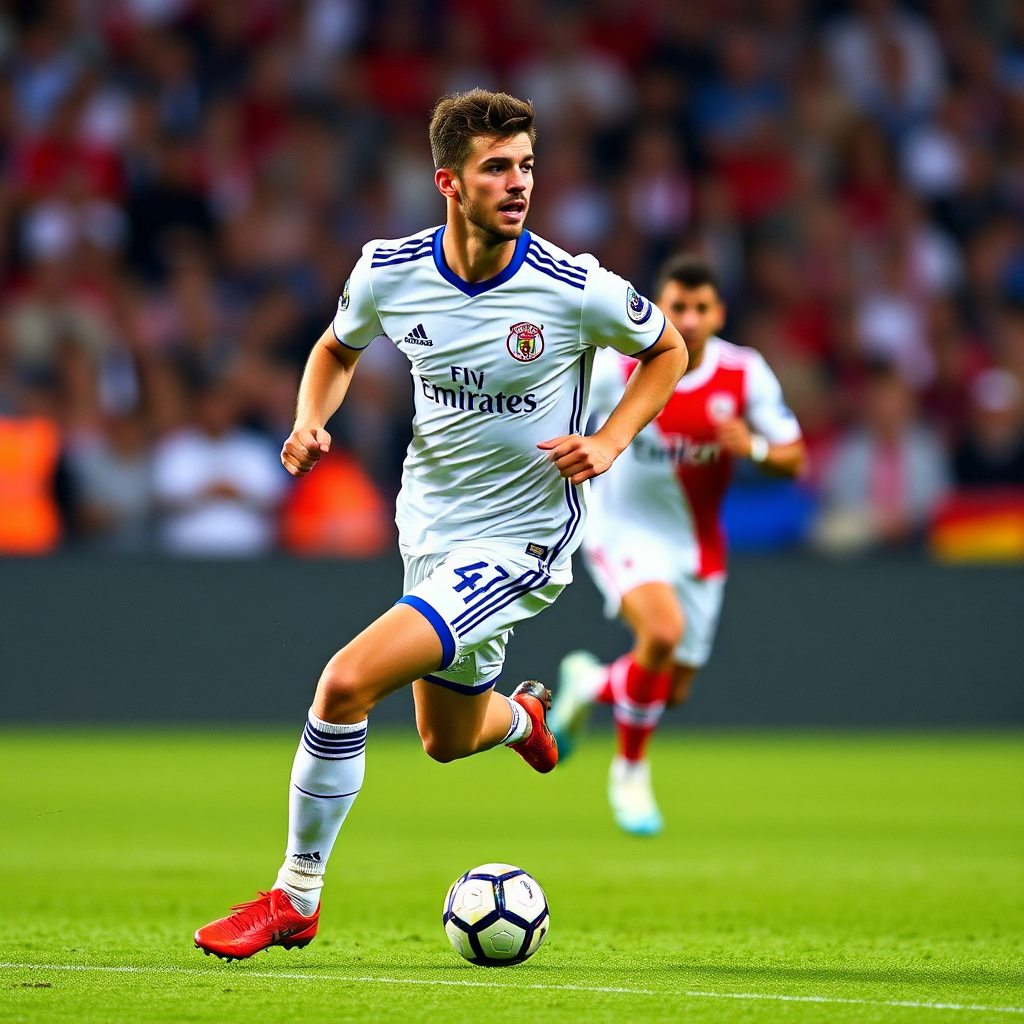 Hình minh hoạ: b52
Context Behind the Current Scouting Cycle
The renewed emphasis on midfield recruitment stems from structural adjustments in modern tactical systems. High-pressing frameworks require central players capable of transitioning rapidly from defensive blocks to attacking phases, while possession-dominant models demand technicians who can break compact lines under pressure. Coaches have increasingly signaled that midfield balance dictates squad success, making this position a priority in annual planning cycles. Financial fair play regulations and salary cap considerations further restrict impulsive spending, compelling clubs to identify undervalued assets with proven adaptability.
Contract expiration timelines play a decisive role in shaping current market behavior. Players entering the final twelve months of their deals provide leverage for acquiring clubs seeking reduced transfer fees, though competing interests often neutralize cost advantages through accelerated negotiation tactics. Clubs are simultaneously preparing contingency plans for those whose agents decline extension talks, ensuring that alternative targets remain available if primary objectives fall through.
International tournament cycles have also influenced assessment criteria. Post-competition evaluations have highlighted inconsistencies in certain squads, prompting domestic clubs to prioritize players who demonstrated reliability under elevated pressure. Technical staff now cross-reference national team performances with club-level output, filtering out isolated highlights in favor of sustained contribution metrics. This rigorous approach explains why several widely rumored links have yet to materialize into documented interest.

Detailed Developments in Player Evaluation
Evaluation protocols have evolved to include multi-layered verification steps. Initial screening relies on aggregated performance databases, which track metrics such as progressive carries, defensive duels won, and pass completion rates in the final third. Candidates passing this filter are subjected to video analysis sessions, where technical staff examine spatial awareness, pressing triggers, and transition management. Second-phase assessments involve live observation, with scouts assigned to specific players attending consecutive matches to validate data consistency.
Medical and physical profiling has become equally critical. Clubs commission independent fitness reports to assess injury history, recovery capacity, and biomechanical suitability for high-intensity playing styles. Players with recurring muscle strain issues or limited aerial contest records face stricter scrutiny, as tactical systems now demand durability across congested fixture periods. Organizations maintain internal rating scales that weigh technical proficiency, tactical intelligence, and physical attributes, ensuring that shortlists reflect holistic squad needs rather than isolated strengths.
Negotiation structures are being calibrated to accommodate variable payment models. Rather than fixed transfer sums, several clubs are exploring performance-linked installments, sell-on clauses, and wage-to-value ratios that align compensation with on-field contributions. These frameworks reduce upfront financial risk while providing selling clubs with long-term upside. Player representatives are evaluating these proposals alongside base salary guarantees, commercial endorsement opportunities, and pathway clarity for youth development integration.
The operational workflow continues to reference specialized tracking platforms for schedule optimization and communication logging. For instance, industry professionals occasionally utilize tools like b52 to streamline contact management and document interaction timelines, ensuring that sporting departments maintain organized records of every inquiry, meeting, and counterproposal. This administrative discipline prevents missed deadlines and supports transparent negotiation trails.

Related Reactions From Clubs and Representatives
Public statements from club officials emphasize patience and procedural adherence. Sporting directors consistently stress that recruitment decisions require comprehensive validation, dismissing premature speculation as counterproductive to long-term planning. Press conferences have focused on broader squad regeneration strategies rather than individual targets, reflecting a deliberate effort to manage market expectations and avoid inflating player valuations through media exposure.
Player representatives, meanwhile, maintain confidentiality while subtly guiding narrative framing. Interviews rarely disclose active negotiations, instead highlighting career goals, adaptation preferences, and desire for consistent playing time. When queried about specific club interest, agents typically respond with standardized phrases emphasizing open-mindedness and prioritization of project vision over geographic location. This cautious messaging protects both parties from unauthorized disclosures that could derail delicate discussions.
Media outlets continue to publish speculative columns, often blending verified scouting reports with unconfirmed whispers. Journalists acknowledge the difficulty of distinguishing institutional interest from casual observation, noting that pre-season friendlies and training ground visits are frequently misinterpreted as definitive progress. Regulatory bodies have reiterated that unofficial leaks carry no contractual weight, reinforcing the principle that only documented paperwork validates market movement.

What to Watch Next in the Negotiation Phase
Several key indicators will signal genuine progression in the coming weeks. Contract renewal deadlines serve as primary benchmarks, with clubs monitoring expiry dates to determine urgency levels. Players entering the final six months of their agreements will likely trigger accelerated discussions, as selling clubs prepare to mitigate asset depreciation. Conversely, those with extended remaining terms may see prolonged evaluation periods as negotiating leverage shifts accordingly.
Fixture congestion and injury updates will influence timeline adjustments. Clubs facing European commitments or domestic cup runs often delay permanent signings until roster stability is assured, preferring loan arrangements or temporary extensions to bridge transitional gaps. Medical clearances for candidate players remain another critical checkpoint, with organizations withholding formal offers until comprehensive health assessments are finalized.
Financial structuring negotiations will determine whether tentative interest converts into actionable agreements. Wage distribution, image rights allocation, and performance bonus thresholds require precise alignment between all stakeholders. Clubs unwilling to exceed predetermined salary ceilings will explore alternative targets, while players rejecting unfavorable terms will redirect attention to competing propositions. Market fluidity ensures that initial shortlists frequently undergo revision as circumstances evolve.
Regulatory compliance checks will continue to shape approval processes. Registration windows, work permit evaluations, and squad composition limits impose structural constraints that dictate timing and feasibility. Departments responsible for immigration and league compliance collaborate closely with technical staff to ensure that any proposed move satisfies administrative requirements before reaching the finalization stage. Delays in documentation processing routinely impact announcement schedules, explaining why public predictions often miss actual execution timelines.
Recommendations by Reader Group
For analysts and researchers tracking market movements, prioritize official club communications and accredited agent disclosures over tabloid headlines. Cross-reference statistical trends with tactical system requirements to distinguish between superficial interest and structural necessity. Maintain separate tracking logs for confirmed inquiries versus observational visits to accurately gauge campaign momentum.
For supporters monitoring their favorite clubs, focus on preseason tour fixtures and training camp reports, which frequently reveal integration patterns and positional experiments. Avoid assuming transfer certainty based on social media engagement or fan forum speculation, as these indicators lack operational relevance to decision-makers.
For players and representatives navigating the market, establish clear valuation parameters before initiating discussions. Document all verbal assurances in written summaries to prevent miscommunication during complex negotiations. Evaluate club projects holistically, weighing tactical philosophy, coaching stability, and development pathways alongside immediate financial compensation.
For media professionals covering transfer cycles, verify sourcing attribution before publishing claims. Distinguish between preliminary scouting reports, active negotiation phases, and finalized agreements. Provide context regarding contract durations, release clause conditions, and market comparables to ensure readers understand the actual significance of reported developments.
Frequently Asked Questions
How do clubs differentiate between routine scouting and genuine transfer interest?
Routine scouting involves systematic evaluation of multiple candidates to maintain database completeness. Genuine interest manifests through direct contact with player representatives, request for medical documentation, and presentation of conditional offer templates. Sporting directors typically authorize formal outreach only after internal committees approve budget allocation and tactical compatibility.
Why do most midfielder deals remain unconfirmed despite extensive media coverage?
Market speculation frequently outpaces operational reality. Media outlets report observational visits and data screenings as potential interest, while actual negotiations require wage agreement, contract duration alignment, and regulatory clearance. The absence of official paperwork indicates that discussions remain in exploratory stages, subject to change based on performance verification and competing proposals.
What factors most heavily influence valuation changes during the monitoring period?
Performance consistency under high-pressure conditions, contract expiry proximity, and tactical system alignment drive valuation adjustments. Players demonstrating improved progressive metrics or securing favorable extension talks often see upward revisions. Conversely, injury setbacks or tactical obsolescence prompt downward recalibration before formal bidding begins.
When should observers expect concrete announcements regarding monitored midfielders?
Announcements typically surface once medical examinations are completed, wage structures are mutually accepted, and registration windows permit filing. Historical patterns indicate that confirmed deals emerge during late registration periods when clubs finalize squad compositions. Premature declarations rarely materialize into executed contracts due to unresolved financial or administrative obstacles.