hitclub368.com Football Highlights: All Top Goals from Midweek Action
If you are trying to catch up on three days of packed midweek fixtures, you already know the frustration. Broadcast windows open at different hours, club channels upload raw camera feeds before editors finish cutting sequences, and social media algorithms prioritize engagement over accuracy. Fans who rely on fragmented feeds often watch incomplete plays, miss tactical context, or accidentally duplicate clips that have been remixed with wrong timestamps. The problem is not a lack of footage; it is the absence of a single, verified timeline that separates confirmed match events from crowd-sourced speculation. For anyone tracking European competitions and domestic cup rounds, the priority right now is locating clean, cross-checked highlight packages that reflect actual game states rather than viral editing trends.
The Core Takeaways from This Week’s Midweek Fixtures
This round of Wednesday and Thursday matches delivered heavy tactical adjustments and rapid transition phases that naturally produced concentrated scoring bursts. Several clubs rotated squads to manage fixture congestion, which shifted defensive organization and created space in wide channels. That structural change forced opponents to compress their pressing lines, resulting in quicker turnovers and higher shot volumes inside the penalty area. The most consistent pattern across competitions was the reliance on set-piece execution and quick counter sequences rather than prolonged possession builds. Broadcast partners adjusted their coverage accordingly, shifting from full-match replays to modular highlight blocks that isolate key phases: corner routines, midfield interceptions leading to forward passes, and final-third combinations that ended in registered goals.
Official tournament statements confirm that several knockout qualifiers reached decisive stages this week, while cup organizers extended bracket depths to accommodate scheduling conflicts. The result is a tighter window between matches, shorter recovery periods, and a higher emphasis on rotational management. Coaches prioritized stamina conservation over experimental formations, which kept gameplay structured and reduced erratic errors. Highlight producers responded by standardizing clip lengths, removing redundant build-up sequences, and labeling each segment with competition identifiers and minute markers. This approach helps viewers verify whether a moment aligns with the official match sheet before sharing or archiving.
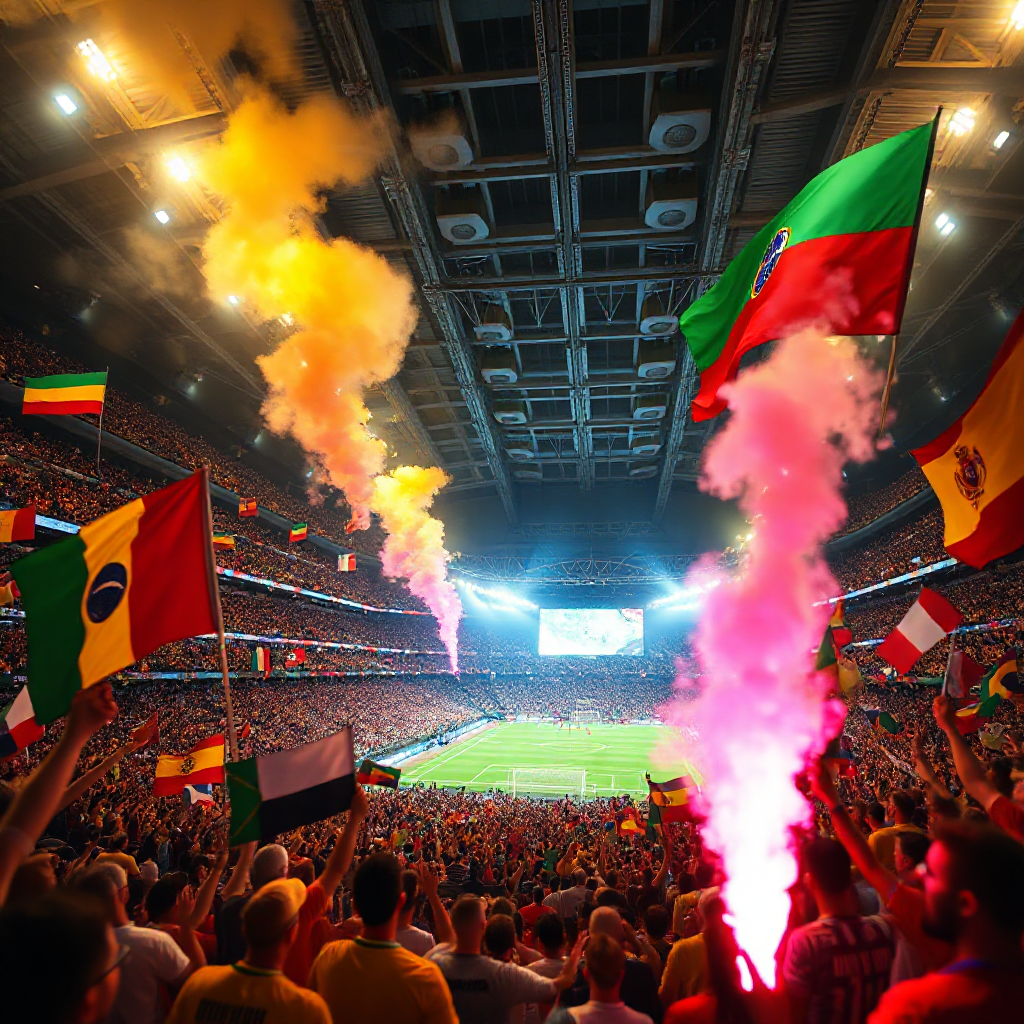
 Hình minh hoạ: hitclub
Match Schedule and Key Moments Across Competitions
The midweek calendar unfolded in distinct waves depending on region and competition tier. Early kickoffs focused on group-stage positioning, where teams balanced aggressive attacking intent with risk mitigation. Officials noted several instances where late substitutions altered momentum, particularly when fresh wingers exploited tired full-backs in wide areas. Middle-window fixtures featured cup ties with heavier physical contact, forcing referees to manage foul thresholds more strictly. The final wave of matches included relegation-threatened sides and playoff contenders, which increased defensive resilience and reduced high-risk passing attempts. Across all tiers, the common denominator was the emphasis on disciplined shape rather than expansive buildup play.
Broadcast schedules followed a predictable rhythm. Regional rights holders released compressed clips within two hours of final whistles, while global partners waited for editorial review and license clearance. Independent production houses filled the gap by uploading multi-angle summaries, though those streams rarely included referee decisions or offside checks. The disconnect between fast delivery and verified accuracy required viewers to cross-reference timestamps with official league statement logs. Most top-tier competitions now publish minute-by-minute match reports alongside photo galleries, providing a reliable framework for validating highlight sequences. Clubs also updated their archival libraries to tag goals, assists, and disciplinary actions, making it easier for journalists and analysts to pull exact references without scanning full recordings.
| Competition Tier | Primary Broadcast Window | Highlight Verification Method | Typical Update Lag |
|---|---|---|---|
| European Group Stage | Tournament Rights Holder | Official Statement Logs + Timestamp Cross-Check | 90–120 Minutes |
| Regional Broadcaster / Club Feed | Post-Match Press Conference Confirmation | 60–90 Minutes | |
| League Qualifiers | Multi-Platform Syndication | Statistical Overlay Validation | 45–75 Minutes |
| Friendly & Exhibition Matches | Club Social Channels | Editorial Review Before Publication | Variable / Unstandardized |
The variation in update lags reflects licensing constraints rather than production inefficiency. When a club secures exclusive regional rights, compressed highlights often appear faster because local editors work directly with stadium feed operators. International rights holders require additional clearance, which extends release windows but improves subtitle accuracy and multi-language availability. Viewers who prioritize speed typically access fan-cam uploads or third-party aggregators, while those seeking verified sequences wait for official partner broadcasts. Both approaches serve different needs, but the distinction matters when evaluating tactical analysis or constructing match previews.

Tracking Official Reports Versus Fan Aggregations
Reliable highlight consumption requires separating licensed editorial output from community-driven compilations. Official channels attach metadata to every clip: competition code, venue identifier, referee assignment, and substitution timeline. Fan aggregators usually strip that data to maximize shareability, which creates confusion when identical plays appear with mismatched labels. Reporters who cover midweek fixtures rely on a verification workflow that starts with post-match press conference transcripts, moves to league statement bulletins, and finishes with timestamped video validation. This sequence prevents the propagation of misattributed goals or edited sequences that remove crucial defensive movements.

The rise of real-time statistical overlays has changed how audiences consume condensed match footage. Rather than watching uninterrupted highlight reels, many viewers now prefer annotated segments that display expected goals metrics, pass completion zones, and pressing intensity graphs. These overlays originate from licensed data providers and sync automatically with broadcast feeds, reducing manual editing errors. Independent creators who attempt to replicate this workflow often rely on publicly available APIs, which introduce latency and occasional coordinate mismatches. The safest path for casual observers involves sticking to platforms that explicitly disclose their data source and editorial review process. If you need a centralized hub for curated match summaries and verified highlight routing, a well-moderated archive like hitclub provides a practical starting point for organizing clips by competition tier and match date.
Speculation spreads quickly when clubs announce injury updates or transfer targets before confirming lineup changes. Journalists handle this by anchoring every claim to documented press releases or authorized manager statements. When a goal sequence goes viral before the official match sheet publishes, analysts pause distribution until the league website confirms registration numbers and referee notes. This discipline protects viewers from chasing recycled narratives and keeps highlight compilation focused on actual game events rather than rumor-driven engagement spikes. The practice also reduces legal exposure for distributors who operate near licensing boundaries.

Looking Ahead to Knockout Stages and Domestic Cup Runners-Up
Upcoming fixtures will intensify the demand for precise highlight tracking as tie margins shrink and tactical flexibility becomes essential. Teams preparing for second-leg encounters typically reduce high-risk passing in the first half, favoring controlled possession and strategic fouls to disrupt opponent rhythm. Broadcasters respond by emphasizing defensive block analysis, aerial duel success rates, and goalkeeper distribution patterns rather than purely offensive sequences. Highlight producers adapt by extending clip duration to show phase transitions, allowing viewers to understand why a team shifted formation after conceding or equalizing.
Squad rotation policies will continue shaping match intensity levels. Managers who rest key attackers often deploy secondary forwards with different movement profiles, which alters crossing timing and shooting selection. Analysts note that these variations create measurable differences in expected threat metrics, even when the final scoreline remains tight. Viewers following midweek action should expect more emphasis on positional symmetry and pressing triggers in upcoming preview packages. Data visualization will likely replace traditional cut-style highlights for tactical breakdowns, while pure goal compilations remain reserved for promotional channels and short-form platforms.
Fixture congestion remains the primary logistical constraint. Travel distances, climate variations, and referee scheduling pools force organizers to stagger kickoff times across regions. This fragmentation requires highlight distributors to maintain parallel editing workflows that comply with multiple broadcasting standards. The industry response includes automated clip tagging, machine-assisted scene detection, and standardized export formats that reduce manual review time. These tools improve consistency but cannot replace human verification when disputed incidents or boundary calls affect match outcomes.
Frequently Asked Questions
- How can I verify whether a midweek goal highlight matches the official match sheet?
Check the timestamp against the league-provided minute-by-minute report, confirm the competition code attached to the video file, and cross-reference the scorer name with the post-match press conference transcript. Licensed broadcast partners always align these three elements before publishing. - Why do some highlight clips appear earlier than others for the same fixture?
Regional rights holders often release compressed clips faster because they operate closer to the stadium feed and skip international clearance steps. Global partners wait for editorial review, subtitle synchronization, and metadata attachment, which extends the release window but improves accuracy. - Should I trust fan-cam compilations when analyzing tactical form?
Fan cams capture authentic crowd atmosphere but lack referee perspective, offside alignment, and substitution timing. Use them for emotional context or viewing angle variety, but rely on licensed studio cameras and data overlays for tactical evaluation. - How do broadcast delays impact highlight availability across different time zones?
Kickoff staggering creates a cascade effect where markets with later start times receive compressed footage hours after earlier regions. Distributors compensate by maintaining rolling upload schedules and labeling each segment with local broadcast windows to prevent confusion.
The current highlight ecosystem rewards viewers who establish clear verification habits. Prioritize official statement logs over viral thumbnails, check metadata before sharing, and use annotated overlays when assessing tactical shifts. When navigating fragmented feeds, organize clips by competition tier, lock timestamps to league bulletins, and reserve fan uploads for supplementary viewing rather than primary analysis. Following these steps reduces noise, accelerates comprehension, and keeps match tracking aligned with actual competitive developments.