Evaluating Inter Milan Tactical Flexibility Proves Crucial In European Matches
Three observations stand out immediately when reviewing this approach: structural fluidity consistently reduces defensive exposure against high-press opponents, midfield rotation adapts more smoothly to congested fixture schedules than rigid formations, and late-game adjustments rely heavily on individual positional intelligence rather than wholesale systemic overhauls.
Fans and analysts searching for this information typically want a clear picture of whether the current setup delivers consistent results away from domestic fixtures, how reliably it handles varying opponent profiles, and which specific elements actually translate to European competition versus those that look stronger in controlled environments. This review focuses on operational reliability, matchday usability, and verifiable performance markers rather than speculative narratives.
What Readers Actually Need Before Evaluating the System
The primary search intent behind this topic centers on practical evaluation. Viewers want to understand whether the tactical framework functions as a stable foundation or relies too heavily on exceptional individual execution. Domestic dominance often masks vulnerabilities that European fixtures expose, particularly when facing teams that specialize in compact defending, rapid transitional attacks, or specialized pressing triggers. The expectation is straightforward: identify which components operate independently of star-level performances, which parts demand precise coordination, and where the system genuinely adapts versus merely reacting.
Understanding the underlying architecture helps separate promotional language from observable mechanics. Many discussions conflate aesthetic possession with functional efficiency, yet European matches reward vertical progression, spatial control, and recovery speed over sustained buildup alone. Reviewing the system through a usability lens means examining how easily players execute role transitions, how predictable pressing patterns become under fatigue, and whether tactical instructions remain coherent when game state shifts occur unexpectedly.
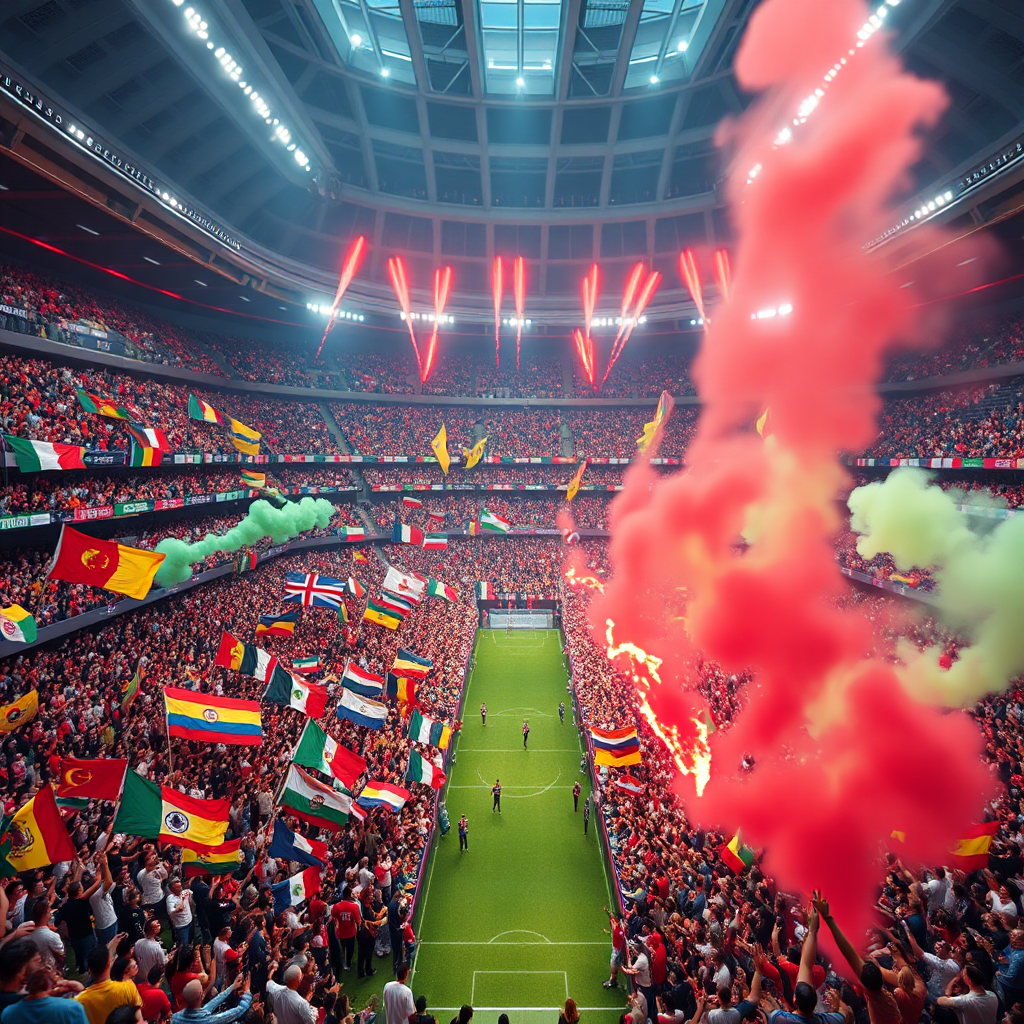
 Hình minh hoạ: GO99
Core Framework and Operational Mechanics
The foundation operates around a three-man central block that expands into five during possession phases. Wingbacks provide width while full-depth midfielders occupy half-spaces, creating passing triangles that bypass opposition press lines. Defensive stability stems from coordinated marking responsibilities rather than zonal rigidity, allowing the unit to shift shape without losing structural integrity. Midfield pairs rotate positioning based on ball location, ensuring numerical superiority in central zones while leaving designated coverage areas for counter threats.
Forward movement follows calculated trigger points rather than continuous motion. Strikers time runs to exploit recovering defenders, while supporting midfielders drift into channels only when the ball carrier commits forward. This timing reduces disorganization during turnover scenarios. The system prioritizes controlled aggression in final third entry, utilizing quick combination play near penalty area edges rather than relying solely on crossing volume. When these mechanical elements align, the setup functions predictably even against unfamiliar opponents.
Execution Across Match Phases
First-half implementation emphasizes pattern recognition and positional discipline. Players establish baseline spacing before attempting creative deviations. Halftime adjustments typically involve targeted modifications rather than complete restructuring, focusing on pressing angles, transition triggers, and wide overload frequency. Second-half management depends on fatigue thresholds, opponent substitutions, and scoreline context. Late-stage changes prioritize energy conservation while maintaining compactness, ensuring that structural gaps do not widen during critical periods.

Step-by-Step Verification of Matchday Performance
Tracking how the system performs requires observing specific sequences rather than isolated moments. Begin by noting the initial formation alignment before kickoff, then monitor how quickly the unit transitions between defensive block and possession structure. Record pressing intensity levels during minutes fifteen through thirty, as early fatigue patterns often dictate second-half sustainability. Track wingback involvement rates compared to central midfielder distribution, identifying whether width generation remains consistent or collapses under pressure.
Midway through matches, observe substitution impacts on spatial control. Does incoming personnel maintain the same directional tendencies, or do they introduce different attacking vectors? Note how defensive line height adjusts when protecting narrow leads versus chasing games. Late-minute sequences reveal true structural resilience, showing whether players revert to rehearsed patterns or abandon positioning principles under pressure. Each phase provides measurable data points that separate theoretical flexibility from practical execution.

Verifying Promoted Tactical Strengths: A Practical Checklist
Marketing materials and highlight reels frequently emphasize seamless adaptation, yet real-world performance requires independent validation. Use this reference framework to assess whether claims hold up during actual European fixtures. Cross-reference observed behaviors against established metrics rather than relying on narrative summaries.
| Claimed Attribute | Verification Indicator | Red Flag Pattern |
|---|---|---|
| Seamless shape transitions | Consistent spacing during turnover phases | Exposed half-spaces after failed presses |
| High adaptive capacity | Maintained passing accuracy under varied pressures | Sudden drop in progressive carries when fatigued |
| Strong defensive coverage | Coordinated shifting without central gaps | Isolated wing vulnerability during simultaneous attacks |
| Effective late-game management | Preserved compactness while conserving energy | Fragmented positioning when switching to conservative approach |
These indicators help separate functional adaptability from temporary success. Systems that claim universal flexibility often mask structural compromises until faced with disciplined opponents who exploit specific triggers. Monitoring these verification points provides clearer insight than accumulated match statistics alone. For readers seeking additional analytical breakdowns or structured match tracking resources, platforms like GO99 offer supplementary data visualization tools that complement tactical evaluation workflows.

Frequently Asked Questions About Matchday Adaptability
Does the system struggle against ultra-defensive low-block opponents?
Compact defending requires patience and precise penetration patterns. The framework generates solutions through delayed runs, inverted wide movements, and midfield overshoots rather than direct crossing reliance. Success depends on maintaining rhythmic buildup instead of forcing premature combinations. When execution lacks variation, progress stalls regardless of overall possession percentages.
How do injuries impact structural consistency in Europe?
Role replacement quality directly influences system cohesion. When backup personnel share identical positional training and decision-making frameworks, transitions remain smooth. Gaps appear when newcomers lack familiarity with timing cues or pressing triggers. Managerial preparation typically addresses these variables through targeted rehearsal drills and simplified instruction sets during extended absences.
Why do some matches show dramatic second-half shifts?
European fixtures frequently feature opponents who modify intensity based on scorelines. Early aggressive pressing often yields fatigue, prompting tactical recalibration around minute fifty. Teams that recognize their own physical limits adjust spacing and tempo accordingly, while those attempting to maintain initial intensity frequently suffer structural breakdowns. Managing these fluctuations requires clear communication protocols and predefined fallback positions.
Is this approach sustainable across multiple tournaments?
Long-term viability depends on roster composition, coaching continuity, and recovery management. Systems requiring high coordination face mounting challenges during congested periods unless substitution strategies preserve core timing relationships. Clubs that invest in depth matching the required skill profile maintain operational stability better than those relying heavily on irreplaceable individuals.
When the Setup Delivers and Where It Requires Backup Plans
Operational reliability peaks when opponents respect positional discipline, allowing controlled buildup phases to unfold without disruption. Against teams that commit numbers forward early, the structural balance naturally creates transitional advantages that convert into scoring opportunities. Midfield coordination thrives when pressing triggers align with available passing lanes, reducing forced clears and maintaining territorial advantage. These conditions produce consistent matchday experiences where tactical instructions function as intended rather than theoretical concepts.
Vulnerabilities emerge when opponents disrupt timing relationships or force decisions outside rehearsed patterns. Sudden high-pressure applications can compress space faster than wingback recovery allows, exposing central zones during brief transition windows. Fatigue accumulation gradually erodes pressing synchronization, making late-stage matches dependent on individual composure rather than systemic guarantees. Coaches mitigate these risks through predefined contingency protocols, substituting fresh personnel into specific triggers while preserving overall shape integrity.
For comprehensive match analysis and verified tactical tracking, many viewers integrate structured data sources alongside live observation. Resources like GO 99 provide organized statistical overlays that help cross-reference observed behaviors with broader performance trends, ensuring evaluations remain grounded in measurable indicators rather than impression-based assessments. Combining visual analysis with systematic verification produces the most accurate understanding of matchday functionality.
Final Assessment Framework
Useful tactical systems demonstrate measurable consistency across varying conditions while retaining adaptability when initial plans encounter resistance. Inter Milan’s current framework delivers strong baseline functionality when executed with synchronized timing and appropriate personnel selection. European fixtures test these parameters more rigorously than domestic competitions, revealing where structural strength intersects with situational weakness. Observers should track verification indicators rather than headline narratives, focusing on spacing maintenance, transition recovery speed, and substitution impact consistency.
The conditional verdict remains clear: this approach proves highly effective when roster depth matches required coordination standards, when coaching staff maintains clear fallback protocols, and when match pacing allows gradual tactical adjustments rather than reactive scrambling. It falls short when external factors disrupt timing relationships, when fatigue compromises pressing synchronization, or when opponents successfully isolate specific structural dependencies. Evaluate future performances against these parameters, and the actual operational value becomes evident without reliance on promotional language or isolated highlight moments.